Heat decarbonization of European industries is mandatory to reach the expected EU targets of CO2 reductions by 2030 and 2050. While power grid decarbonization has already reached promising results, the decarbonization of European heat demand is still to begin.
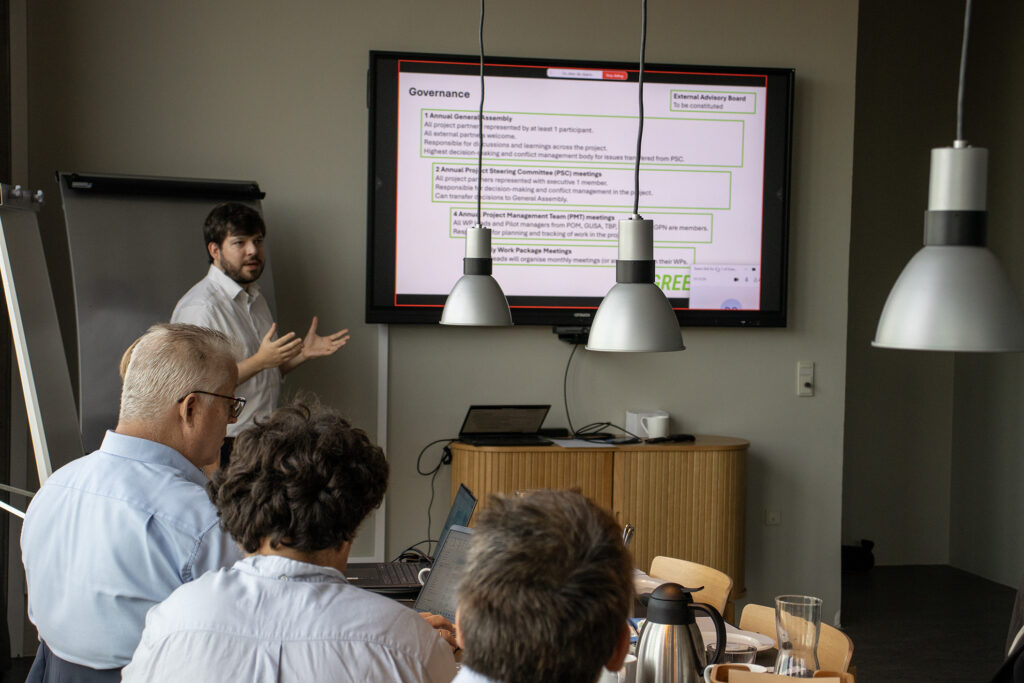
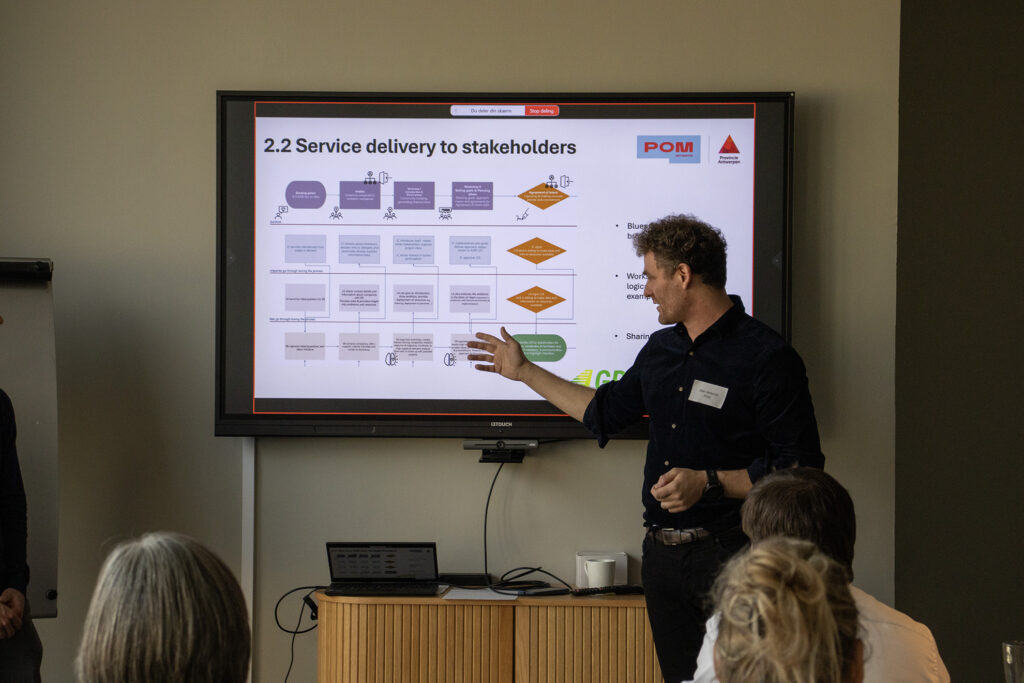
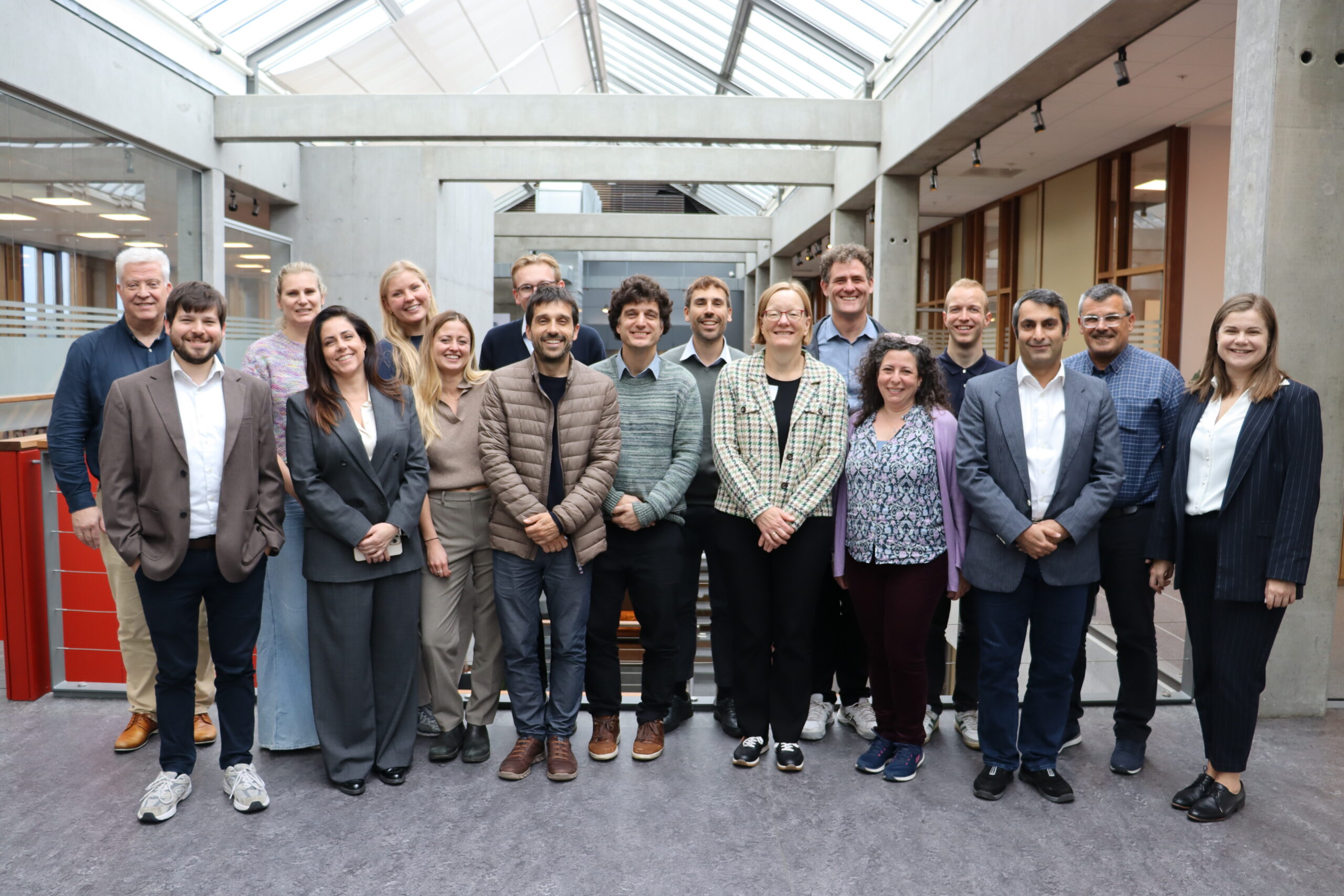
In EU-project GREENSPIRE, partners across Europe recently met to kick off their work on implementing renewable heat solutions in European businesses through sustainable heat symbiosis models.
Solar thermal, high temperature heat pumps and thermal energy storages are going to be explored with the recovery of waste heat streams. Interesting synergies are possible combining these technologies to supply several businesses with heat simultaneously – resulting in both energy savings and CO2 reductions.
“We had a very successful kickoff project meeting with great presentations and discussions. Six pilot sites in Belgium, Greece, Denmark and Spain have been selected to explore different successful renewable heat solutions. By sharing assets of different renewable heat technologies, the goal is to collaborate on innovative business models that can be used to upscale similar developments elsewhere and foster the uptake of renewable heat in the industrial sector, accelerating the green transition,” says Jakob Falk, Project Manager, Energy Cluster Denmark.
GREENSPIRE has received funding from the European Union. The partners of the project consist of MG Sustainable Engineering, POM Antwerpen, European Heat Pump Association, Veolia, GETAFE INICIATIVAS SA, PwC Greece, Thessaloniki Business Park, DTU – Technical University of Denmark, Port of Aalborg, Greenport North and Energy Cluster Denmark.
Are you curious to learn more about the project?
Read more about the project or follow the project on our LinkedIn page and stay updated about project activities.